
Innovation in Maritime Defense: Babcock Partners with Frankenburg Technologies
Strategic Collaboration
British defense contractor Babcock has embarked on a partnership with Estonian startup Frankenburg Technologies to devise a containerized launch system for low-cost missile systems. This initiative aims to bolster maritime defenses specifically against one-way attack drones, reflecting a growing need for cost-effective countermeasures in modern warfare.
Developing Sovereign Capabilities
The two firms have formalized their collaboration through a memorandum of understanding (MoU) to engineer an innovative maritime air-defense system. The project will be led from the United Kingdom, with a keen focus on establishing an independent capability that can adapt to various operational scenarios.
Objectives of the Partnership
-
Cost Efficiency: Frankenburg Technologies aims to produce missile systems that are ten times less expensive and require a hundred times less lead time compared to conventional offerings.
-
Operational Acceleration: Kusti Salm, Frankenburg’s CEO and former Estonian Ministry of Defence official, emphasized that modern threats necessitate a comprehensive defense architecture geared towards mass deployment and rapid response.
Enhanced Defense Capabilities
The forthcoming air-defense system is designed to offer:
-
Affordability: Establishing a more economical solution for military and critical infrastructure protection across Europe.
-
Scalability: The approach allows for adaptations in response to varying threat levels.
-
Kinetic Solutions: This methodology aims to integrate advanced kinetic capabilities, enabling better defense against emerging aerial threats.
Contextual Relevance
This initiative arises during a period where European armed forces are striving to find effective, budget-friendly countermeasures for cost-efficient drones, which have proliferated on the battlefield, particularly in the context of the Ukraine conflict.
Technological Developments
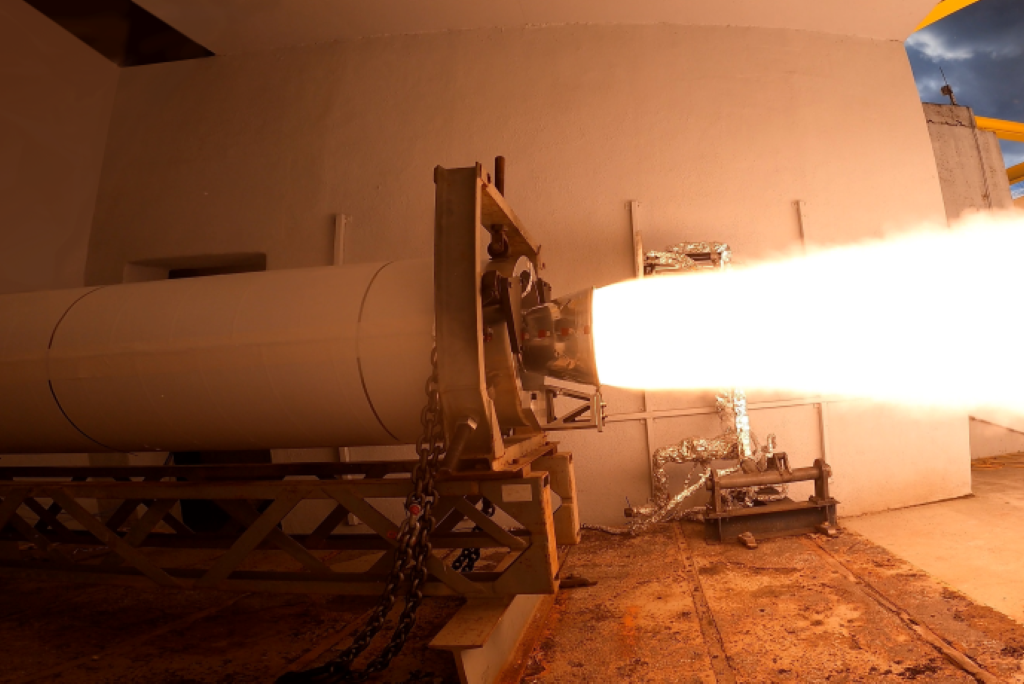
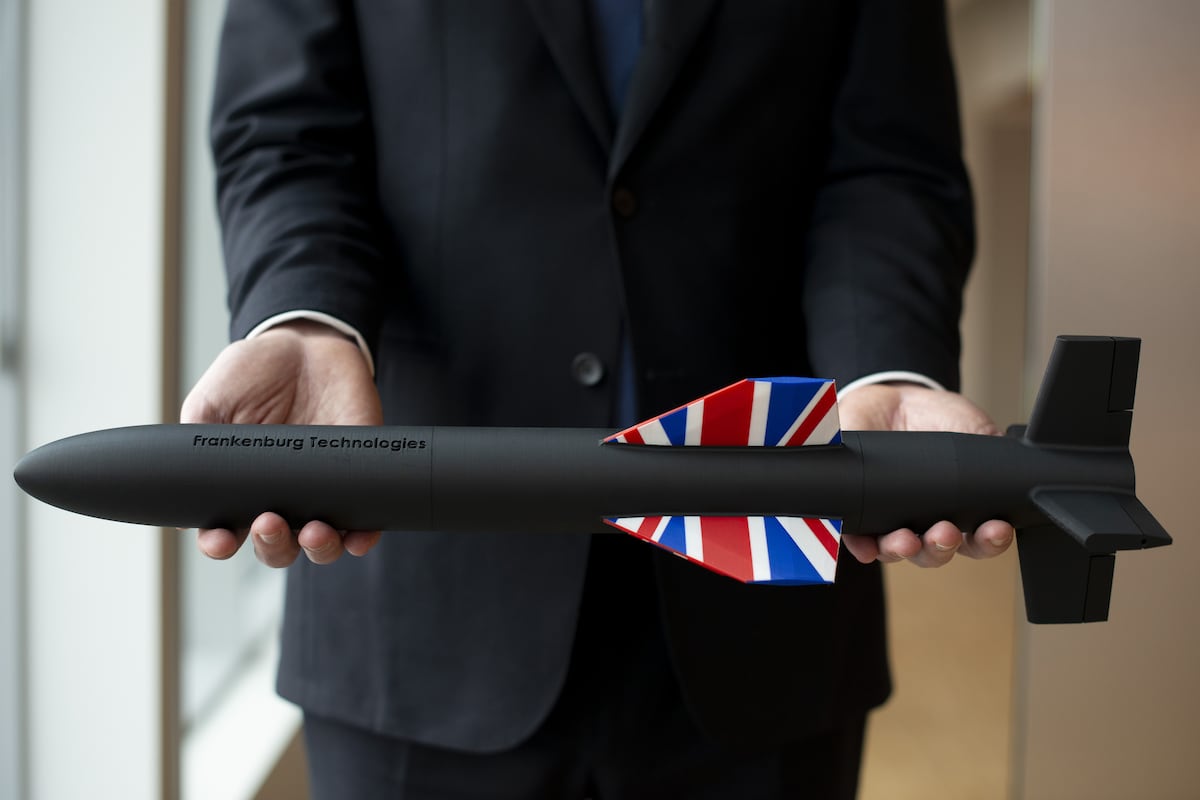
Frankenburg Technologies has asserted that its Mark 1 missile represents the smallest guided missile available globally, with a length of approximately 60 centimeters. This missile is engineered for mass production utilizing a solid-fuel rocket motor and commercially sourced components. Notably, the development timeline from concept to live firing was achieved in just 13 months.
Production Plans
-
Local Manufacturing: In October, Estonia selected Frankenburg as one of four companies to set up manufacturing facilities within its new Defence Industry Park. The initial phase aims for a production capacity of 100 short-range air-defense missiles per day.
-
Successful Test: In December, the company confirmed a successful “full kill-chain hard-kill intercept” against a high-speed aerial target at the Ādaži NATO base in Latvia, which Salm described as a pivotal moment for the missile industry.
Industry Insights
Babcock’s CEO, David Lockwood, remarked on the necessity for rapid innovation in defense systems. As drone warfare evolves, the defense industry must adapt swiftly to meet escalating threats.
Expanding Alliances
Frankenburg has also engaged in an MoU with Polska Grupa Zbrojeniowa to facilitate the integration of its missiles onto Polish platforms. This collaboration is aimed at generating local manufacturing capacity that could potentially reach 10,000 units annually.
Through these initiatives, Babcock and Frankenburg are poised to contribute significantly to the advancement of maritime defense capabilities, addressing contemporary threats with innovation and cost-effectiveness.