
Australia’s Army Expands Drone Training Initiatives
Introduction of New Training Course
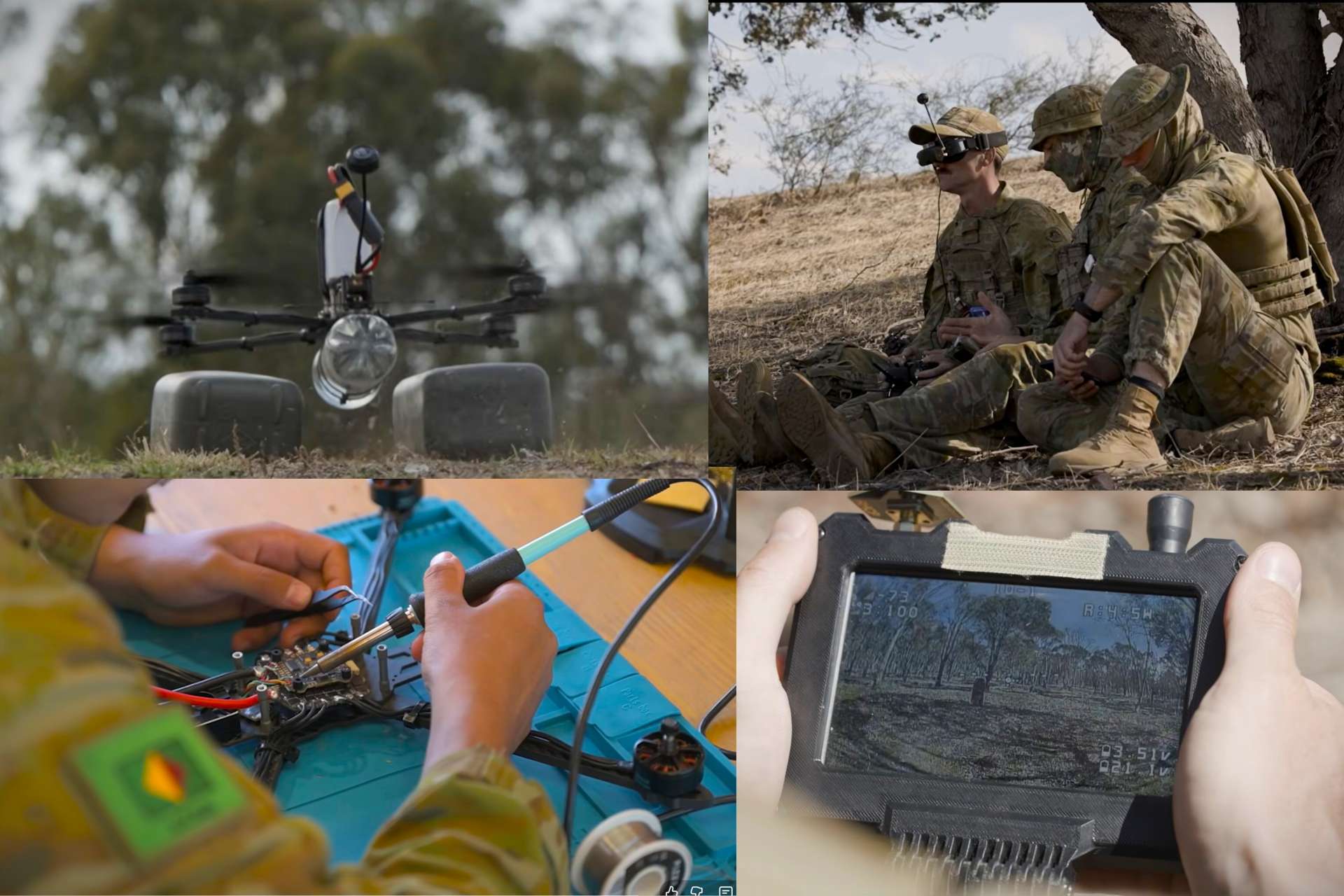
On March 27, 2026, Australia’s Department of Defence announced the introduction of the “Modify and Operate Attack Drones (FPV)” course. This initiative is part of a larger strategy to incorporate small uncrewed aerial systems (UAS) into the operational framework of the Australian Army, enhancing frontline capabilities.
Rationale Behind the Expansion
This educational expansion reflects the increasing importance of low-cost drones in modern military engagements. Such systems have become essential for reconnaissance, targeting, and precision strike operations. By accelerating unit-level training, the Australian Army aims to translate lessons learned from recent conflicts into an agile and effective land combat capability.
Practical Training Environment
The FPV course is designed to equip soldiers with the skills to not only pilot first-person-view drones but also to construct, modify, and strategically utilize them in challenging field conditions. Conducted at the Puckapunyal Military Area in Victoria, this training immerses teams in tactical scenarios where they employ FPV goggles to identify targets and conduct simulated strike operations against adversary forces and assets. While munitions are not deployed during training, the primary goal is to acclimatize soldiers to the tempo and tactical dynamics of drone-integrated combat.
Comprehensive Curriculum Development
As part of this evolving training pathway for small UAS, the FPV course complements the previously established “Employ Multi-Role Drones” curriculum. This earlier course primarily focuses on utilizing stabilized drones for reconnaissance, while also laying the groundwork for conducting strikes and transporting various payloads. The new FPV syllabus advances this approach by preparing soldiers to produce, adapt, and deploy attack drones effectively in real-world operations. Together, these courses are designed to cultivate operators proficient in both surveillance and direct attack functions.
Broad Applicability Across Forces
The training is conducted by seasoned instructors from the Land Combat College and the 2nd Battalion, Royal Australian Regiment, encompassing a diverse range of personnel from combat and support units. This inclusive approach signifies that drone capabilities are not confined to a specialized cadre; instead, graduates are expected to integrate their newly acquired skills back into their units. This strategy aims to shorten the transition from experimental practice on training ranges to operational application during larger exercises or upcoming deployments.
Insights from Recent Conflicts
A pivotal aspect of this program is its strong connection to the operational experiences observed in Ukraine. Many instructors involved in the FPV course have backgrounds with 2 RAR, who were recently mentored by Ukrainian drone experts during Operation Kudu. This experiential knowledge adds significant depth to the training program, leveraging insights from a conflict where FPV drones have proven critically effective against infantry, vehicles, and key logistical nodes. Rather than viewing Ukraine as a distant reference point, the Australian Army is systematically incorporating combat-tested methodologies into its training ethos.
Speedy Integration of Lessons Learned
The Department of Defence also emphasizes a rapid iterative approach—constantly refining effective strategies while discarding ineffective ones. Notably, members of the 5/7 RAR are anticipated to apply their newly acquired capabilities within weeks through combined-arms exercises. This quick pivot from classroom instruction to unit-level experimentation underscores the Army’s intention to embed drone operations within broader maneuver training, rather than isolating it as a technical expertise.
Trainee Feedback and Future Directions
Feedback from participants indicates strong support for the direction of the training effort. One trainee, who commenced the course with no previous drone experience, highlighted a newfound understanding of the significant impact small UAS can have on contemporary warfare. This perspective resonates with ongoing global military reassessments regarding doctrine, force structure, and training methodologies in light of the evolving roles of FPV and tactical drones.
Conclusion: A Framework for Modern Warfare
Australia’s intensified focus on FPV training signals an Army committed to transforming battlefield observations into institutional practices. By integrating reconnaissance and attack operations, field concealment strategies, rapid force-wide cohesion, and lessons from Ukraine, the Australian Army is establishing a robust framework for modern land combat. The clear takeaway from Puckapunyal is this: armed forces that can swiftly train, evaluate, and disseminate drone expertise will be better positioned for a battlefield where agile and affordable systems can significantly influence operational dynamics.