Rising Interest in Autonomous Underwater Vehicles for Subsea Infrastructure Protection in Southeast Asia
Background and Context
In light of a series of high-profile incidents damaging subsea infrastructure in the Baltic Sea and around Taiwan, Southeast Asian governments and military organizations are increasingly integrating autonomous underwater vehicle (AUV) technology into their operations. These incidents, attributed to unauthorized activities by foreign commercial vessels, have underscored vulnerabilities in the region’s maritime networks and amplified the necessity for enhanced surveillance capabilities.
Heightened Demand for Monitoring Solutions
Verineia Codrean, a Strategic Alliances and Civilian Affairs officer at the German company Euroatlas, reported a surge in interest from regional operators for sophisticated monitoring systems to safeguard underwater assets. There is a pronounced desire among military and civilian entities to acquire real-time awareness of maritime activities, including the identification of potential threats to vital infrastructure such as cables and gas pipelines.
- Key Motivations for Enhanced Monitoring:
- Increased geopolitical tensions necessitating heightened maritime awareness.
- A pressing need for cost-efficient surveillance methods that align with limited military resources.
- The imperative to ensure the safety of personnel and critical assets in the region’s expansive underwater domains.
Transition to Unmanned Systems
As maritime artificial intelligence tools become more prevalent, countries like Singapore are progressively adopting unmanned fleets. This shift is set to redefine operational strategies in the region’s maritime landscape. Codrean explained that AUVs serve multiple roles, from monitoring vulnerable infrastructure to executing intelligence-gathering missions, thereby addressing the high costs and risks associated with manned operations.
Advances in AUV Technology
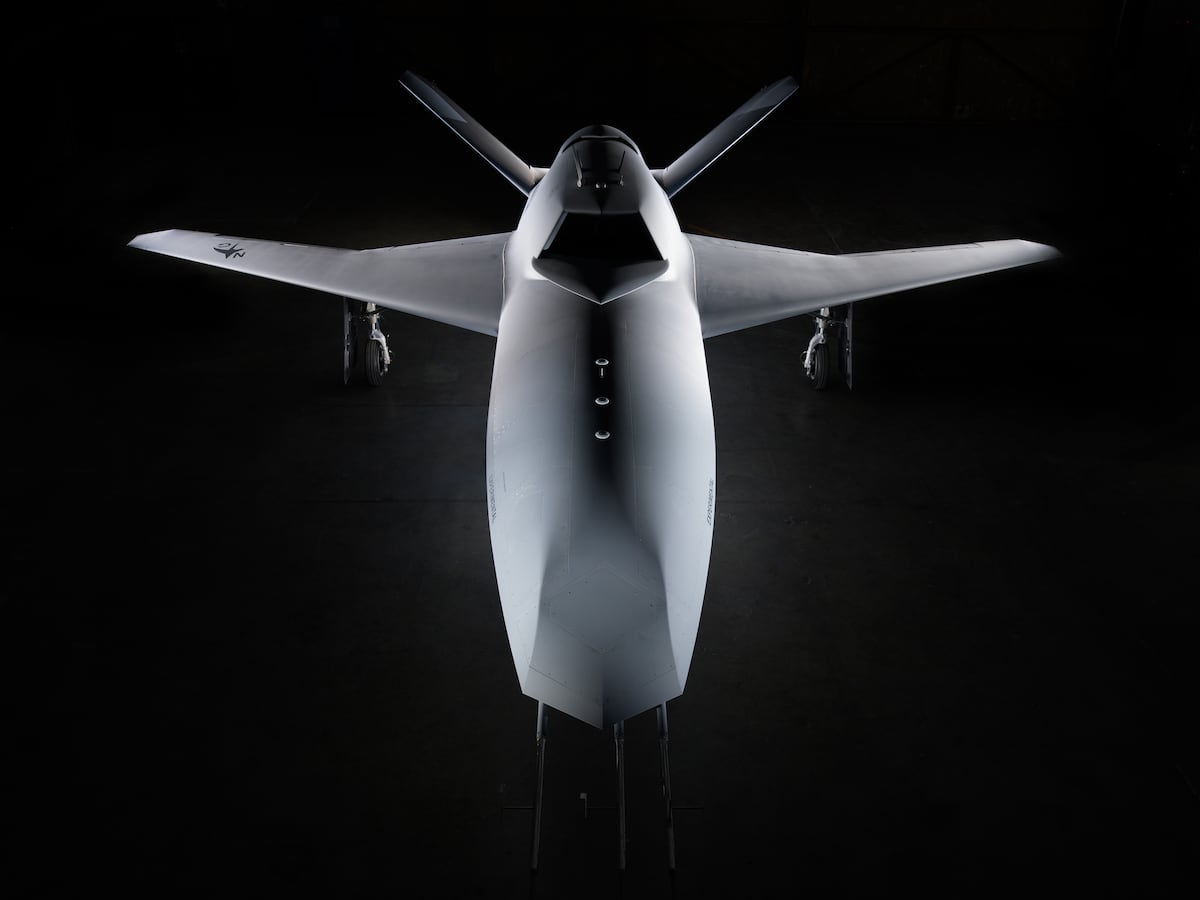
Euroatlas is at the forefront of this transition with its Greyshark AUV, which was showcased at the recent IMDEX Asia trade show. Capable of remaining submerged for up to four months, it features sophisticated swarm data-sharing and stealth capabilities. The AUV is designed for an array of missions, including:
- Monitoring underwater infrastructure
- Conducting covert reconnaissance
- Engaging in naval mine warfare
Innovative enhancements, such as a seabed charging pod for the Greyshark and a larger hydrogen-powered variant known as the Foxtrot, are also in development to improve operational sustainability.
Geopolitical Implications of Recent Incidents
The growing interest in AUV technology follows incidents where cargo ships inadvertently damaged subsea cables and pipelines. European officials suspect these actions were orchestrated by foreign intelligence entities, with implications that resonate across regional security discussions. Similarly, waters surrounding Taiwan have experienced disruptions attributed to ships operated by individuals with suspected links to Chinese interests, further emphasizing the need for vigilant monitoring mechanisms.
Adm. Stephen Koehler, commander of the U.S. Pacific Fleet, highlighted the importance of discerning whether these incidents represent deliberate gray zone tactics or mere accidents. Establishing standardized practices among Southeast Asian nations could enhance collective maritime security and facilitate more effective responses.
Challenges in Implementation
Despite the operational advantages offered by AUVs, the increasing congestion of the underwater domain presents challenges. Adm. Datuk Zulhelmy bin Ithnain, chief of the Royal Malaysian Navy, noted the absence of formal communication channels regarding underwater operations among regional navies. Without a collaborative framework, the integration of AUVs could complicate existing operational protocols.
- Areas Requiring Attention:
- Establishment of communication norms among naval forces regarding underwater maneuvers.
- Development of protocols to manage the anticipated rise in underwater traffic as AUVs become more common in military operations.
Strategic Recommendations Moving Forward
To effectively harness AUV capabilities while addressing maritime threats, Southeast Asian nations must prioritize:
- Collaboration: Initiate regional dialogues focused on shared standards and practices for underwater operations.
- Investment in Technology: Allocate resources towards developing advanced AUVs tailored for specific regional security challenges.
- Comprehensive Training: Equip naval personnel with the skills necessary to operate and integrate AUVs into existing fleets safely and effectively.
By proactively addressing these challenges, the naval forces of Southeast Asia can enhance their maritime situational awareness and fortify their infrastructure against emerging threats.