Federal Government Shutdown: Implications for Defense and Workforce Management
As the federal government approaches a potential shutdown, the ramifications extend beyond immediate disruptions; they impact federal employees, agency operations, and broader fiscal policies.
Legislative Deadlock
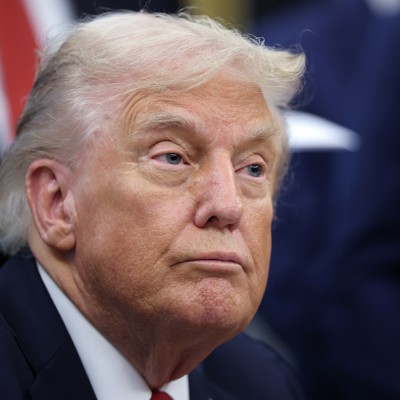
The Senate’s recent rejection of a seven-week stopgap funding proposal, which would have sustained government operations through November 21, signals a substantial impasse in congressional negotiations. The bill was dismissed with a vote of 55-45, primarily due to the unified opposition from Democrats. This failure to secure funding marks the first government shutdown since 2019, coinciding with President Trump’s aggressive rhetoric about potential reductions in federal employment.
Immediate Effects on Federal Employees
- Furloughs: Approximately 550,000 federal employees are set to be furloughed, with an assurance of back pay upon government reopening.
- Delayed Payments: An additional 1.57 million employees will continue to work but will experience deferred compensation.
- Operational Impact: Unlike previous shutdowns, where furlough rates were higher, the projected 23% furlough rate during this shutdown is relatively low, indicating that a significant portion of the workforce will remain active.
Federal agencies have already initiated communication with workers regarding furlough statuses, urging compliance with shutdown protocols, which include abstaining from work and monitoring updates for return-to-work directives.
Rhetoric and Responsibility
President Trump’s assertions link the shutdown to inevitable layoffs, stating, “The Democrats want to shut it down… so we’d be laying off a lot of people that are going to be very affected.” However, this narrative obscures a critical distinction: historically, there is no formal correlation between government shutdowns and reduction-in-force (RIF) actions, which are typically governed by statutory requirements.
Congressional Stalemate
The current legislative gridlock is characterized by divergent priorities:
- Democratic Demands: Democrats seek discussions about impending health insurance premium increases tied to the Affordable Care Act as a precondition for supporting any funding measures. They also push for curtailing Trump’s authority to rescind federal appropriations.
- Republican Stance: Senate Majority Leader John Thune articulated his party’s refusal to capitulate to demands unrelated to immediate funding, asserting there is “nothing here to negotiate.”
While Republicans maintain a rigid stance, Democrats argue that any layoffs resultant from the shutdown will be a function of the administration’s decisions rather than congressional action.
Implications for Federal Management
The Office of Management and Budget (OMB) has prompted agencies to draft plans for potential workforce reductions, generating legal challenges from labor unions asserting these maneuvers exceed executive authority. The American Federation of Government Employees, among others, has initiated litigation alleging that plans to dismiss significant portions of the federal workforce amid a budgetary impasse are both “illegal” and “immoral.”
Looking Ahead: Legislative Dynamics
Senate efforts continue to navigate a potential resolution, with additional votes expected. Nonetheless, with Congress adjourning for Yom Kippur, the immediate future remains uncertain. The persistence of the shutdown may not only disrupt essential services but also complicate long-term workforce strategies and morale across federal agencies.
In summary, the convergence of legislative stalemate and executive decision-making creates a complex landscape that defense professionals must navigate. Monitoring these developments is essential for understanding the broader implications on federal workforce management and national security priorities.