
Tensions Rise Between Anthropic and Pentagon Over AI Utilization
Anthropic’s Position on Military Engagement
Dario Amodei, the CEO of Anthropic, articulated a firm stance regarding the company’s ongoing negotiations with the Department of Defense (DoD). On Thursday, he reaffirmed that Anthropic cannot ethically comply with the Pentagon’s request to expand the usage of its AI technologies, particularly in areas concerning the surveillance of American citizens and the deployment of fully autonomous weaponry.
While Amodei emphasized that the company is not withdrawing from the discussions, he remarked that recent contract amendments provided by the DoD do not adequately address safeguards against potential misuse, specifically concerning mass surveillance and autonomous military systems.
Pentagon’s Assertion of Intent
Pentagon officials, led by spokesperson Sean Parnell, have reiterated the military’s intentions to utilize Anthropic’s AI capabilities strictly for lawful purposes. Parnell emphasized that the military does not aim to employ AI for illegal surveillance operations or for the development of weaponry that operates independently of human control. He insisted, “We will not allow any company to dictate terms regarding our operational decisions,” underscoring the DoD’s commitment to autonomy in its procurement strategy.
Key Points from Pentagon’s Position:
- Commitment to lawful use of AI technology.
- Firm resistance to restrictions imposed by contractors.
- Emphasis on critical military operations’ needs.
Contractual Pressures and Potential Consequences
During a recent meeting involving Defense Secretary Pete Hegseth and Amodei, military representatives issued several warnings concerning the potential cancellation of Anthropic’s contracts. They also mentioned the possibility of categorizing Anthropic as a supply chain risk. Additionally, they could invoke the Defense Production Act, a Cold War-era provision that would afford the Pentagon more extensive authority to utilize its products, irrespective of company consent.
Amodei highlighted the contradictions inherent in these threats: designating Anthropic as a security risk while simultaneously acknowledging the critical importance of its technology to national defense.
Possible Outcomes:
- Termination of partnership with Anthropic.
- Classification of Anthropic as a supply chain vulnerability.
- Invocation of the Defense Production Act for unilateral use.
Legislative Reactions and Concerns
The public nature of this dispute has drawn scrutiny from lawmakers. Senator Thom Tillis criticized the Pentagon’s handling of the situation, questioning the appropriateness of discussing such strategic vendor relationships in a public forum. He called for more discreet negotiations, asserting that when a vendor hesitates out of concern for repercussions, it warrants a more nuanced approach.
Meanwhile, Senator Mark Warner, a leader on the Senate Intelligence Committee, expressed serious concern over the Pentagon’s tactics, labeling them as an attempt to intimidate a prominent American enterprise. He articulated the necessity for comprehensive AI governance standards, particularly in national security contexts.
Legislative Insights:
- Calls for private negotiations rather than public disputes.
- Need for binding AI governance mechanisms highlighted.
- Concerns over the DoD’s approach to AI oversight raised.
Ethical Considerations and the Future of AI in Defense
As the Pentagon navigates the complexities of AI integration into military operations, its leadership has maintained a commitment to lawful practices. Defense Secretary Hegseth emphasized the necessity of adhering to constitutional guidance in AI deployment, aiming to mitigate legal obstacles that could hinder operational efficiency.
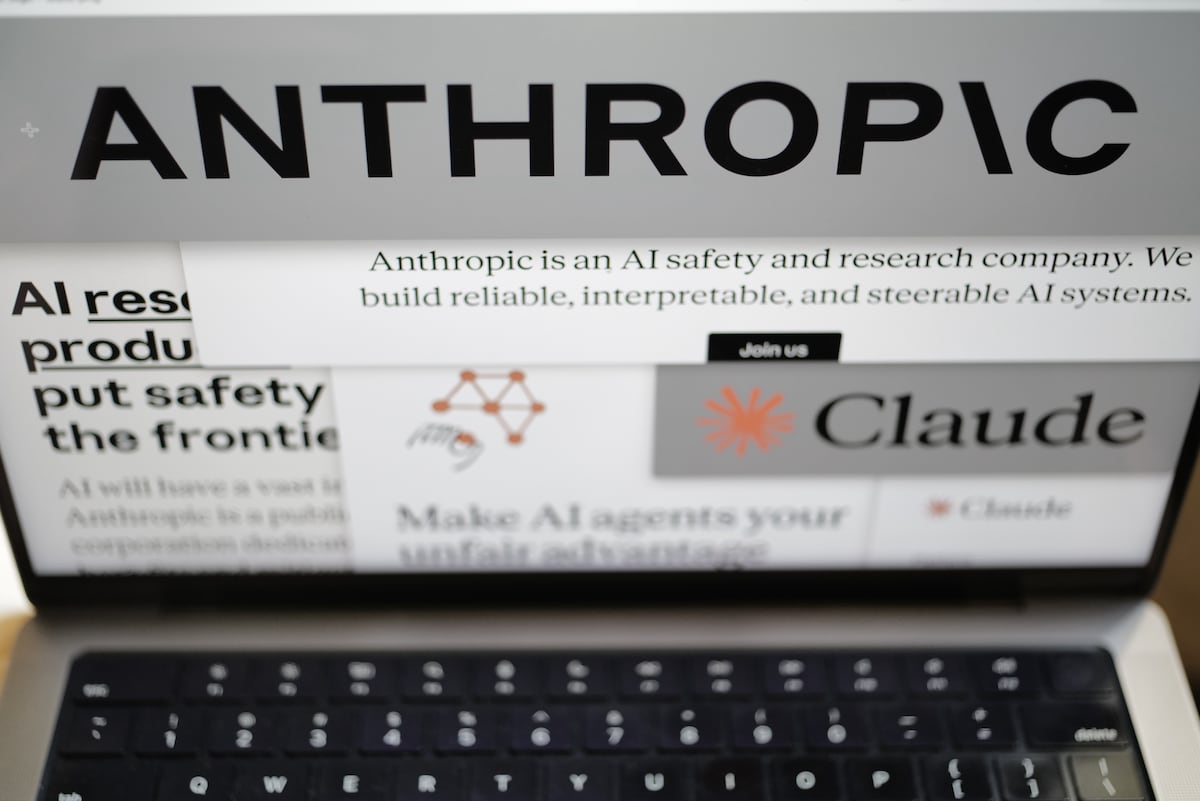
With Anthropic’s AI technology, particularly its chatbot Claude, not currently being leveraged like similar technologies from other firms such as Google and OpenAI, the ongoing discussions illuminate the broader implications of ethical AI deployment in military contexts. The balance between operational requirements and ethical considerations will likely remain a contentious issue in defense policy.
In an ever-evolving landscape of technological advancement and national security, it is crucial for all parties involved to reassess their negotiating strategies and ethical frameworks to align more closely with emerging governance standards and public expectation.