
U.S. Air Force Initiates AI-Driven Targeting Innovation: A Game Changer for Modern Combat
Overview of AI Utilization in Military Exercises
In a groundbreaking initiative, the U.S. Air Force recently executed an innovative exercise leveraging artificial intelligence (AI) to enhance decision-making in combat scenarios. Dubbed “Experiment 3,” this four-day endeavor aimed to establish new methodologies for planning and executing military operations under pressure, marking a significant advancement in the service’s operational capabilities.
Context and Objectives
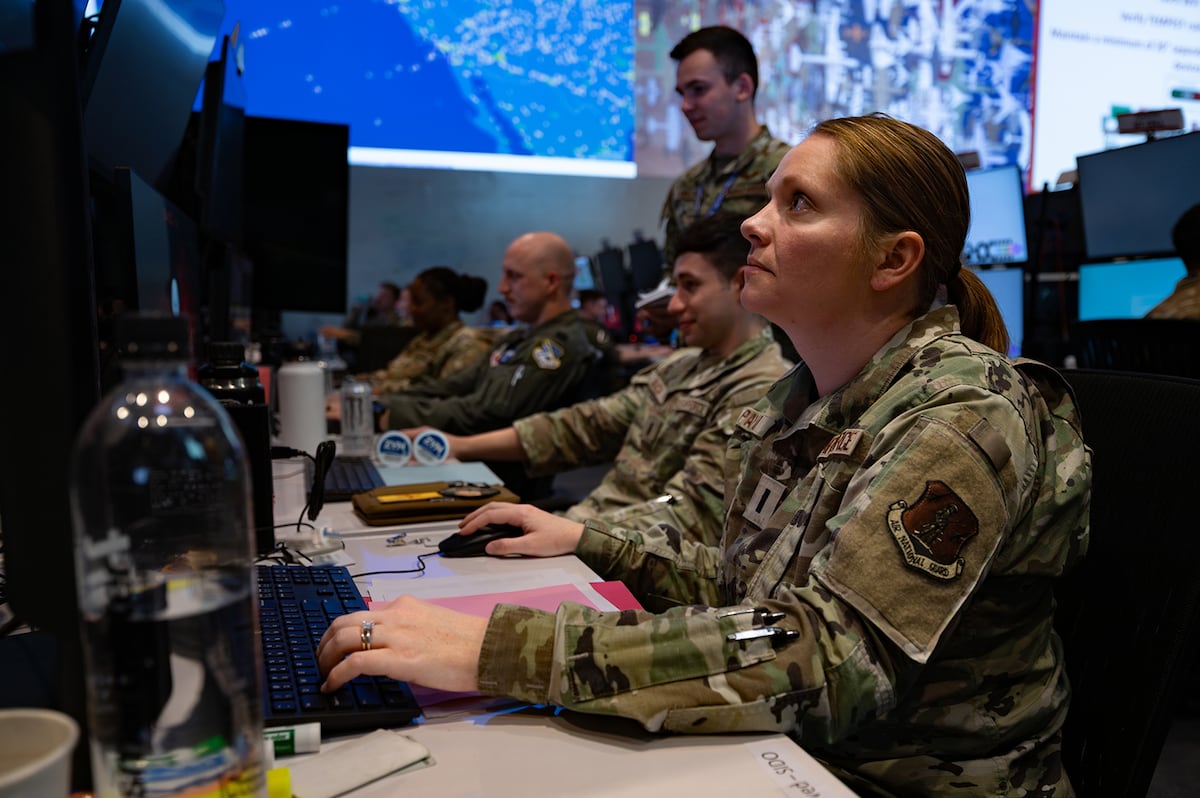
Conducted by the 805th Combat Training Squadron—also known as the Shadow Operations Center at Nellis Air Force Base—the exercise provided participants with the opportunity to utilize advanced AI software in a controlled yet simulated combat environment. According to Lt. Col. Shawn Finney, commander of the 805th, the focus extended beyond mere software testing; it involved challenging existing operational assumptions and validating tactical approaches essential for contemporary and future warfare.
- Key Objectives:
- Enhance the military decision-making process.
- Alleviate cognitive stress for personnel.
- Test a dynamic targeting framework to expedite operational readiness.
AI in Action
During this unprecedented exercise, the AI system was tasked with generating real-time targeting recommendations, supporting decision-makers during rapid engagements. This capability not only aimed to streamline traditional targeting processes but also sought to construct a resilient, data-enabled kill chain applicable at both operational and tactical echelons.
The software utilized in the exercise was part of the Maven Smart System, designed to analyze vast datasets and prioritize potential targets effectively. The implications are profound; the system allows military planners to access actionable intelligence in a fraction of the time it would typically require, which is crucial in high-stakes environments.
Human-Computer Synergy
Observational analysis during the exercise highlighted the complementary relationship between human intuition and AI-generated recommendations. Experienced service members applied their situational awareness and analytical skills, which proved essential for refining the algorithms employed by the AI. The feedback loop established between human operators and AI systems ensured that the latter continually improved its accuracy and relevance.
- Insights Gained:
- Human judgment, including intuition and experience, enriches AI output.
- Real-time data generated by AI can elevate human decision-making efficacy.
- Enhanced algorithms based on military insights can lead to better operational outcomes.
This synergy reflects a broader trend in military operations, where human oversight remains critical despite increasing automation. The necessity for human intelligence in conjunction with machine capabilities underscores the importance of maintaining a balanced approach to combat operations.
Looking Ahead: Transformations in Command and Control
As the Air Force continues to innovate, the Experiment 3 initiative serves as a critical proving ground for future wartime command-and-control frameworks. Lt. Col. Finney emphasized the need for a “drive-before-you-buy” philosophy, ensuring that the operational tools fielded are functional, intuitive, and aligned with combat realities.
This exercise not only paves the way for future AI implementations within the armed forces but also sets a precedent for collaborative dynamics between human operators and intelligent systems across various military branches. As the landscape of warfare evolves, the integration of sophisticated technologies will play an indispensable role in enhancing the effectiveness and resilience of U.S. military operations.
Final Thoughts
The findings from Experiment 3 indicate a significant leap toward modernizing military engagements, driven by enhanced technological capabilities. The potential for AI and human collaboration to redefine combat strategies warrants continued exploration and further development in realistic training environments. The future of military operations hinges not solely on advanced technologies but on the effective integration of human insight within these systems.