Operation Absolute Resolve: A Strategic Analysis
Mission Overview
The recent operation aimed at the capture of Venezuelan President Nicolás Maduro was a meticulously planned undertaking, showcasing the complexity and coordination of U.S. military capabilities. General Dan Caine, Chairman of the Joint Chiefs, emphasized that the intricate nature of this mission extended beyond mere integration; it required exhaustive preparation and precise execution to align over 150 aircraft and thousands of troops for a singular objective.
Strategic Coordination
In an operation labeled “Absolute Resolve,” U.S. military and intelligence personnel undertook extensive preparatory measures:
- Intelligence Surveillance: U.S. intelligence teams tracked Maduro and his wife, collecting detailed data on their movements, lifestyles, and potential vulnerabilities.
- Inter-Agency Collaboration: Leaders from multiple branches of the military, along with intelligence and law enforcement entities, formulated and rehearsed operational plans.
- Timing and Conditions: The timing of the mission was pivotal, aiming to ensure minimal civilian impact and maximum tactical surprise.
Forecasted conditions such as weather played a crucial role, and command ultimately proceeded when optimal conditions materialized.
Operational Execution
Launch and Approach
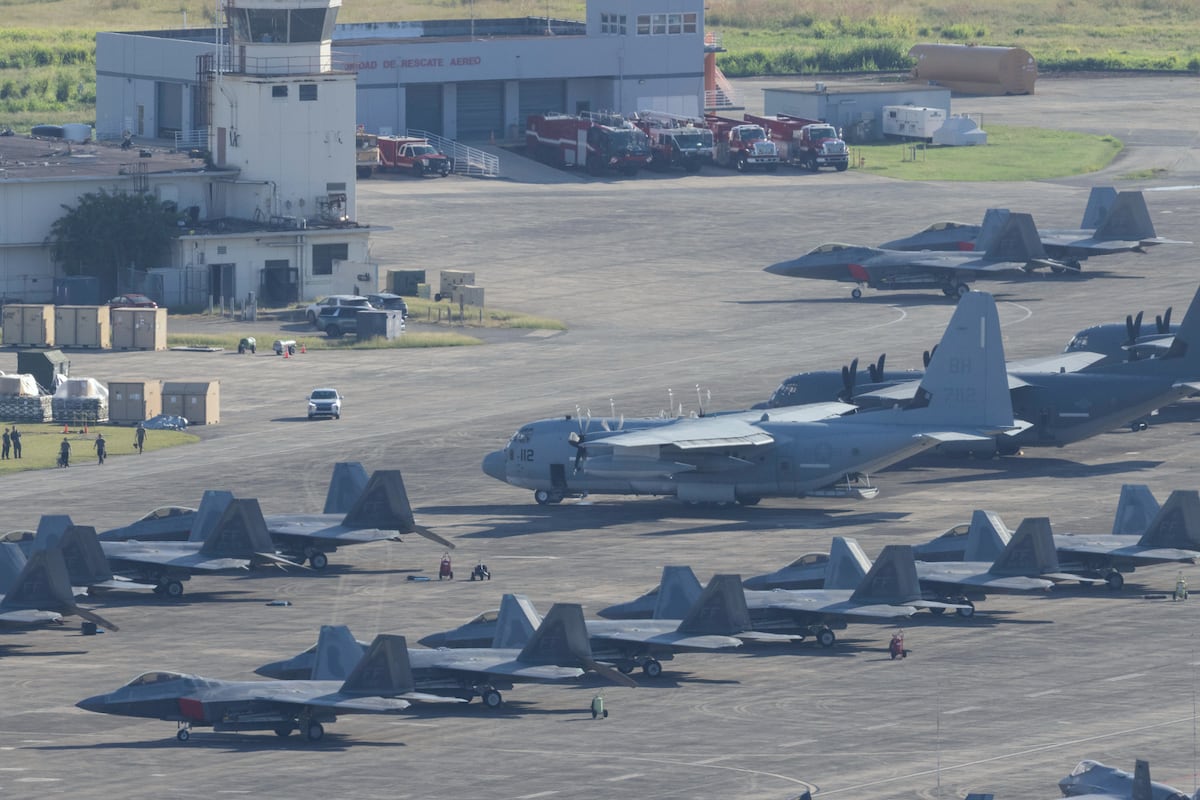
Approximately 150 aircraft and drones were tasked with launching from around 20 bases and naval platforms across the Western Hemisphere. Included in the air operations were:
- Fighter Aircraft: F-22, F-35, and F/A-18 types.
- Electronic Warfare Assets: EA-18G aircraft.
- Surveillance Platforms: Various reconnaissance planes were deployed, alongside aerial refueling capabilities.
Force Composition
The extraction team comprised U.S. special operations personnel, including members of Delta Force, widely regarded for their expertise in high-stakes missions such as hostage rescues.
Tactical Saturation
As the operation progressed, U.S. assets deployed various tactical measures:
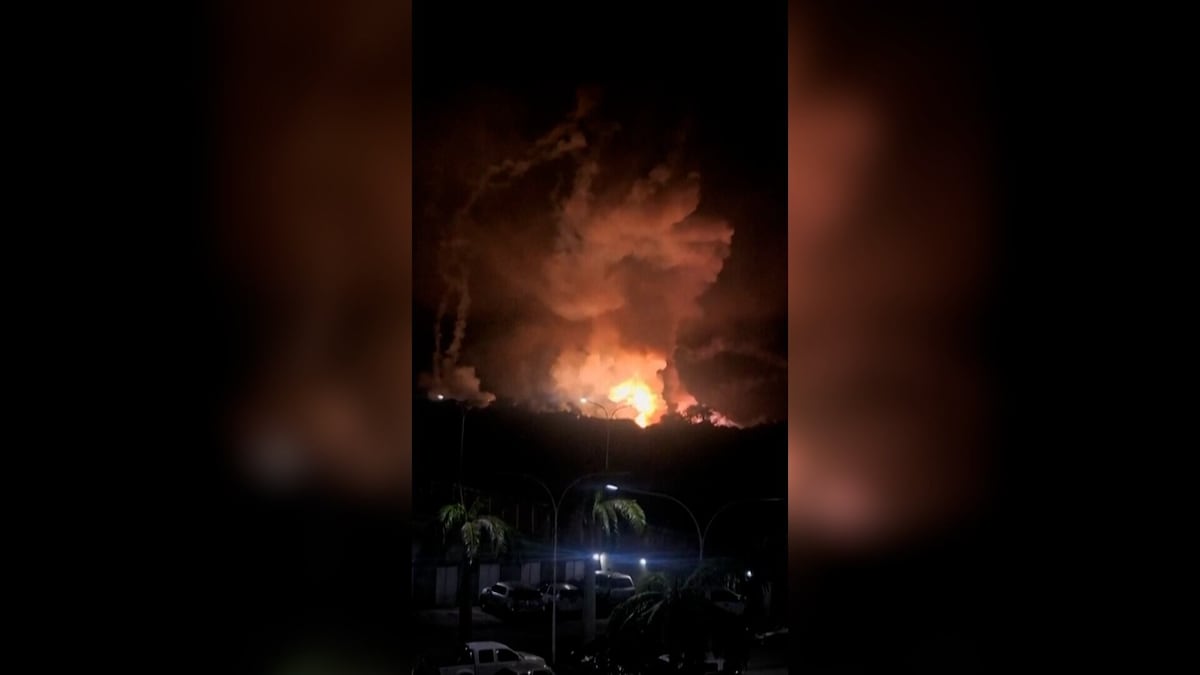
- Multi-Domain Effects: The integration of Space Command and Cyber Command provided layered effects, including disabling Venezuela’s air defense systems through targeted airstrikes, ensuring the safe transit of the extraction force into the designated area.
- Blackout Measures: In a significant tactic, the U.S. forces managed to plunge Caracas into darkness to enhance mission stealth.
Engagement and Objectives
Upon reaching the Maduro residence at approximately 2:01 a.m. local time, the extraction team encountered hostile fire. In response, they unleashed overpowering defensive measures.
Extraction and Withdrawal
Following the apprehension of both Maduro and his wife, the extraction force prepared for exfiltration. Tactical aircraft provided consistent overhead coverage and suppressive fire during the withdrawal.
- Operational Success: The extraction concluded successfully without any U.S. casualties or aircraft losses. The team returned to maritime staging areas, ensuring the indicted individuals were securely on board the USS Iwo Jima.
Conclusion: Lessons Learned
General Caine remarked on the comprehensive nature of joint task force operations, underscoring the invaluable experience gained over decades against various asymmetric threats. The operation not only highlighted the potential of special operations forces but also relied significantly on the integrated efforts of intelligence agencies such as the CIA, NSA, and NGA.
This mission represents a testament to military preparedness, exemplifying the rigorous planning and execution required to achieve strategic objectives in complex environments. The factors that contributed to the successful capture illustrate the necessity for continued collaboration across military and intelligence domains in future operations.