Reflecting on European Defense: A Turning Point in Autonomy and Capability
In recent months, the landscape of European defense has shifted dramatically, catalyzed by significant political changes and ongoing challenges stemming from international relations. Following the rise of the Trump administration and a series of controversies—including last month’s Signal chat scandal—European nations are finding newfound urgency in strengthening their strategic autonomy and defense capabilities. For the first time in years, long-standing taboos surrounding increased military spending within the European Union (EU) are being reconsidered.
The Catalyst for Change
The collapse of traditional norms surrounding U.S. allyship has emboldened European leaders to pursue an independent defense posture. President Emmanuel Macron of France has stepped forward, advocating for the extension of France’s nuclear deterrence to other European nations. This proposal comes amid rising discussions among key players, including Germany’s newly elected Chancellor Friedrich Merz, who is keen on exploring this nuclear collaboration further. Such advancements mark a stark departure from years of hesitance fueled by post-war commitments to pacifism.
Germany’s dramatic approval of a €1 trillion defense package illustrates this newfound readiness to tackle military rearmament. Poland’s ambition to acquire nuclear capabilities and invest significantly in its military mirrors this regional trend. Even traditionally hesitant nations like Belgium are pivoting to enhance their defense spending, driven by a collective acknowledgment of existing threats.
Mobilizing Financial Resources for Defense
The European Commission is advancing plans to mobilize up to €800 billion in defense spending over the next four years, with intentions of fostering joint armament projects supported by considerable financial leverage. This includes provisions for loans directed at collaborative military developments that prioritize collective security.
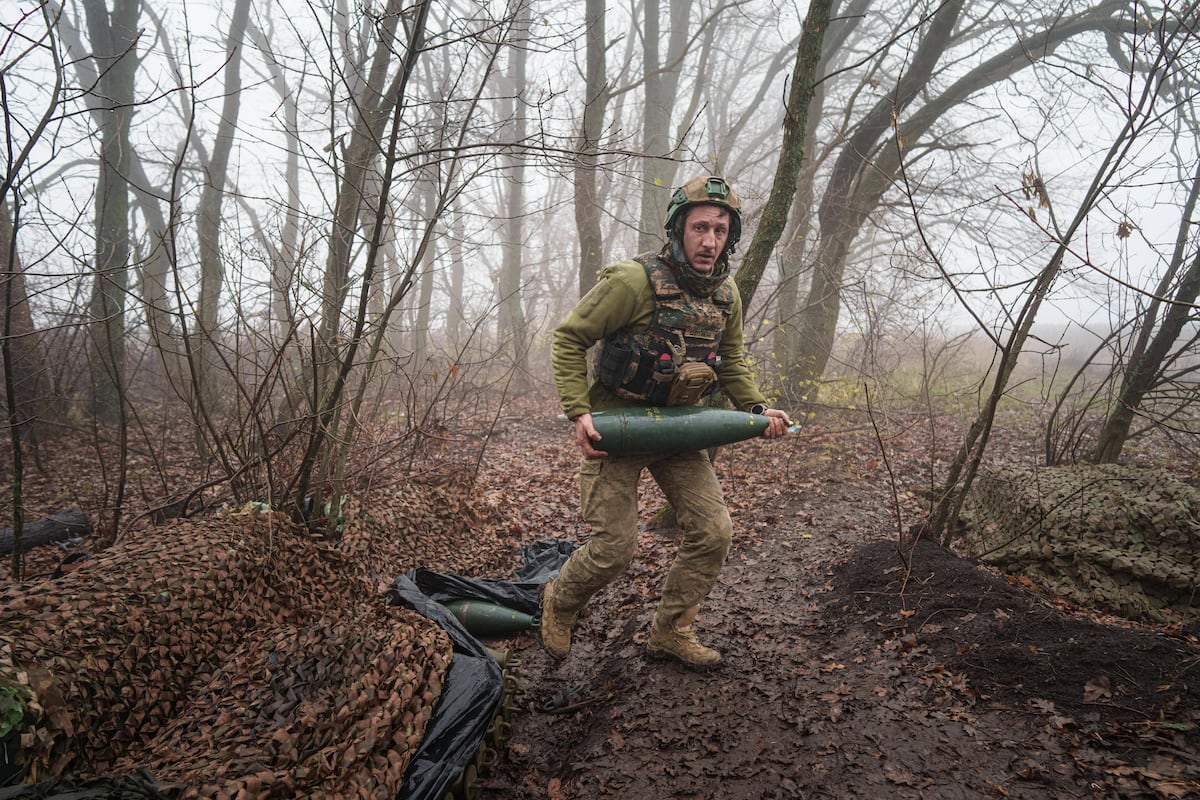
Efforts to rearm are intrinsically tied to the ongoing support for Ukraine amid its conflict with Russia, emphasizing a united European front. As critical gaps in military supplies become apparent, the necessity for advanced air defense systems, specialized munitions, and intelligence capabilities is more urgent than ever. European nations are forming a “coalition of the willing,” enhancing collaboration with the UK—an ally that remains significant despite Brexit.
Ukraine as a Model for Defense Reinforcement
The transition toward a more robust European military framework finds an unlikely ally in Ukraine, which has developed a burgeoning and adaptive defense industry. This model of support showcases the innovative potential of rapidly scaling military production in conditions of necessity. Ukraine’s experience and cost-effective production methods, akin to the “Danish model,” could allow for a strategic symbiosis with European funding efforts, resulting in more agile defense capabilities.
Challenges to Implementation
Yet, despite these ambitious plans, skepticism persists surrounding Europe’s ability to implement and sustain such rapid rearmament effectively. Europeans face hurdles ranging from stunted joint procurement efforts to challenges of interoperability among diverse military systems. Furthermore, prevailing fragmentation within the defense industry, compounded by pushback from U.S. officials, reflects a complicated path ahead.
In addition, the harsh realities of demographic shifts and economic constraints loom over Europe’s defense ambitions. Many nations grapple with the pressing need for social welfare programs and face high levels of public debt, leading to difficult decisions about prioritizing military spending versus domestic needs.
The Role of Strategic Partnerships
In seeking to navigate this complex landscape, European leaders may turn to unconventional alliances that prioritize defense collaboration, even with the likes of Türkiye. This NATO member, possessing a significant military force and arms industry, presents a potential avenue for bolstering European defenses. However, aligning with Türkiye raises ethical dilemmas regarding human rights and democratic values, particularly in light of President Erdogan’s domestic policies.
This tension points to a broader challenge: balancing defense needs with European foreign-policy ideals. Past instances, such as financial assistance to Tunisia despite its human rights abuses, reveal the precarious trade-offs associated with prioritizing security over cardinal principles that the EU traditionally upholds.
Navigating the Political Landscape
Increasing defense spending amidst economic hardship could reshape the European political landscape. The sentiments of populist factions across various political spectrums have begun to resonate with citizens who feel detached from the priorities set forth by Brussels. As protests erupt over living costs and energy prices, the societal implications of these policies could be profound, necessitating clear messaging to illuminate the direct benefits of increased defense expenditure.
European leaders must do more than merely advocate for robust military spending; they should actively engage in dialogue that connects the dots between defense investment and the everyday concerns of citizens. Drawing these connections could secure public support for military initiatives while fostering a sense of shared responsibility in the face of emerging global threats.
Concluding Thoughts on European Defense Reform
As Europe embarks on this critical path toward enhanced defense autonomy and capability, the landscape is fraught with both opportunity and challenges. The ability of European nations to collaborate effectively, manage public sentiment, and uphold their values while securing defense partnerships will define their strategic posture in the coming years. As discussions around rearmament continue, the future of European defense lies in the balance.