Poland Enhances Its Defense Capabilities with Advanced CUAS Solution
January 30, 2026 – Strategic Partnership for Countering Aerial Threats
Kongsberg Defence & Aerospace, in collaboration with Polska Grupa Zbrojeniowa (PGZ), has solidified its commitment to enhancing Poland’s defense architecture by signing a significant contract with the Polish Armaments Agency. This agreement, valued at NOK 16 billion, focuses on the provision of advanced Counter-Unmanned Aerial Systems (CUAS) aimed at addressing the growing challenges posed by unmanned aerial vehicles (UAVs).
SAN CUAS Initiative: A Robust Defense Framework
The SAN CUAS program will encompass the delivery of 18 advanced CUAS batteries, enabling Poland to bolster its defensive posture against increasingly sophisticated UAV threats. This initiative signals a critical evolution in Poland’s defense strategy, tapping into domestic and international expertise to create a cutting-edge anti-drone system.
Key Features of the CUAS Batteries:
- Diverse Effectors: The system will integrate multiple types of weaponry, including:
- 35 mm and 30 mm cannons
- 12.7 mm machine guns
- Anti-aircraft missiles
- Interceptor drones
These varied assets will allow for a flexible response to a range of aerial threats, enhancing operational versatility.
Collaboration and Technological Integration
Eirik Lie, President of Kongsberg Defence & Aerospace, highlighted the importance of this collaboration in positioning Poland as a pivotal center for counter-drone innovation within the region. The partnership is not just about technology transfer; it embodies a commitment to NATO-compatible industrial cooperation aimed at reinforcing European defense capabilities.
Command and Control Architecture
A crucial component of the SAN CUAS program will be the tailored command and control architecture developed by Advanced Protection Systems (APS), a PGZ subcontractor. This system will unify sensors and effectors, ensuring seamless integration with Poland’s existing air defense infrastructure.
Manufacturing Investments and Enhancements
In alignment with the SAN CUAS delivery, KONGSBERG plans to invest in expanding its manufacturing facilities in Poland. This strategic move aims to enhance the company’s capacity to produce advanced defense systems domestically, ultimately contributing to the local economy while ensuring timely delivery of critical defense technologies.
Utilizing the PROTECTOR System
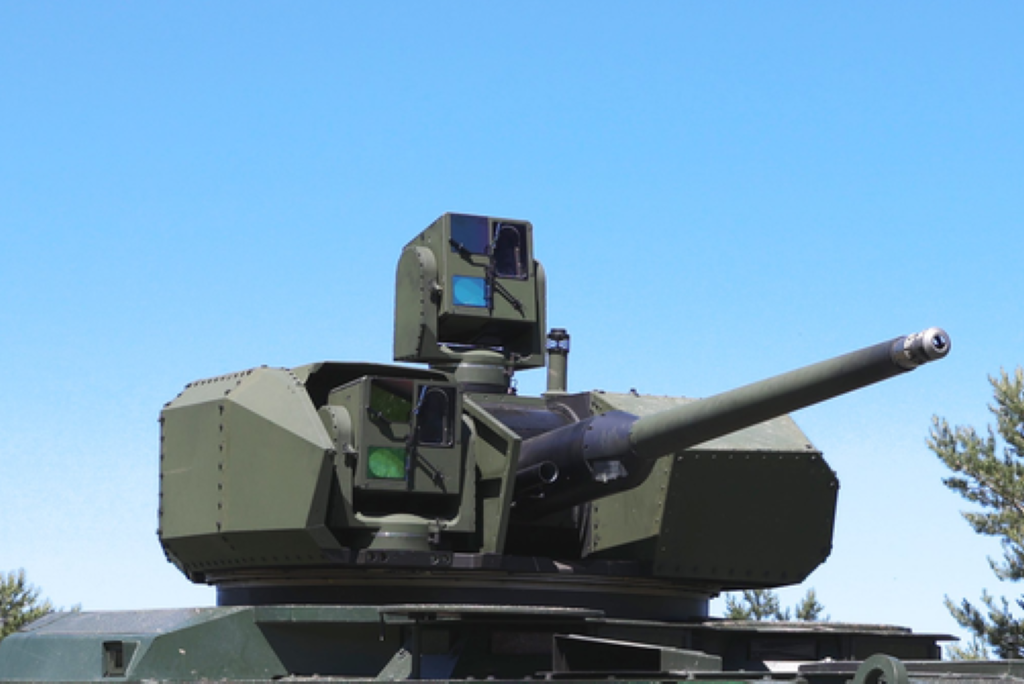
The proposed CUAS solution will leverage KONGSBERG’s PROTECTOR family of weapon systems, which includes the Medium Caliber Turret (MCT30) and Remote Weapon Stations (RWS). Notably, the MCT30’s lightweight, unmanned design, coupled with its digital capabilities, makes it particularly effective for CUAS roles.
Integration and Operational Flexibility
The RWS within the PROTECTOR suite provides operational flexibility by allowing for the integration of diverse CUAS effectors. For the SAN program, the primary armament will consist of 70mm guided missiles, showcasing the commitment to versatility in counter-drone engagement.
KONGSBERG and APS are poised to implement a flexible integration platform that allows for the coordination of sensors and effectors, facilitating distributed operations and enhancing overall mission effectiveness. To date, KONGSBERG has successfully delivered over 20,000 PROTECTOR systems to clients across more than 30 nations, underscoring its reliability and global footprint in defense technology.
Conclusion
Poland’s recent agreement with KONGSBERG and PGZ signifies a major advancement in its approach to countering aerial threats. By investing in innovative CUAS solutions and fostering collaborations that enhance NATO alignment, Poland is not only strengthening its national security but is also reinforcing its position within the European defense landscape. This initiative will likely serve as a model for other nations facing similar challenges in an evolving threat environment.