
Advancements in Cyber Defense: Pentagon’s New Strategy to Combat Chinese Threats
The U.S. Department of Defense (DoD) is implementing an innovative cyber force generation model designed to enhance the military’s ability to thwart the increasing threats posed by Chinese cyber actors to America’s critical infrastructure. This initiative comes at a time when the U.S. faces complex challenges associated with sophisticated cyber intrusions, particularly those utilizing techniques like “living off the land.”
Addressing the ‘Living Off the Land’ Threat
Recent assessments shed light on a troubling trend where adversaries, notably those linked to China, have penetrated U.S. networks by utilizing existing system functionalities to execute their operations covertly. Army Lt. Gen. William Hartman, acting commander of U.S. Cyber Command (Cybercom) and director of the National Security Agency (NSA), articulated these concerns during a Senate Armed Services Subcommittee on Cybersecurity hearing.
- Key Observations:
- Chinese entities are waging a coordinated effort to infiltrate U.S. networks.
- Their tactics mimic legitimate traffic, complicating detection and response efforts.
- Cyber intrusions have been identified in telecommunications and critical infrastructure sectors.
Generous intelligence-sharing and proactive measures have yielded positive outcomes; however, the path forward necessitates a more integrated and specialized approach in addressing these multifaceted threats.
Cybercom 2.0: A Paradigm Shift
To counter emerging cyber threats, the Pentagon is rolling out the Cybercom 2.0 initiative. This strategic overhaul aims to modernize the methodology applied in building and developing cyber capabilities across the department.
Objectives of Cybercom 2.0:
- Enhance adaptability through a revised force generation model that can respond swiftly to evolving threats, such as the Volt Typhoon group.
- Foster specialization within the cyber workforce, ensuring personnel become adept in specific domains like satellite communications and industrial control systems.
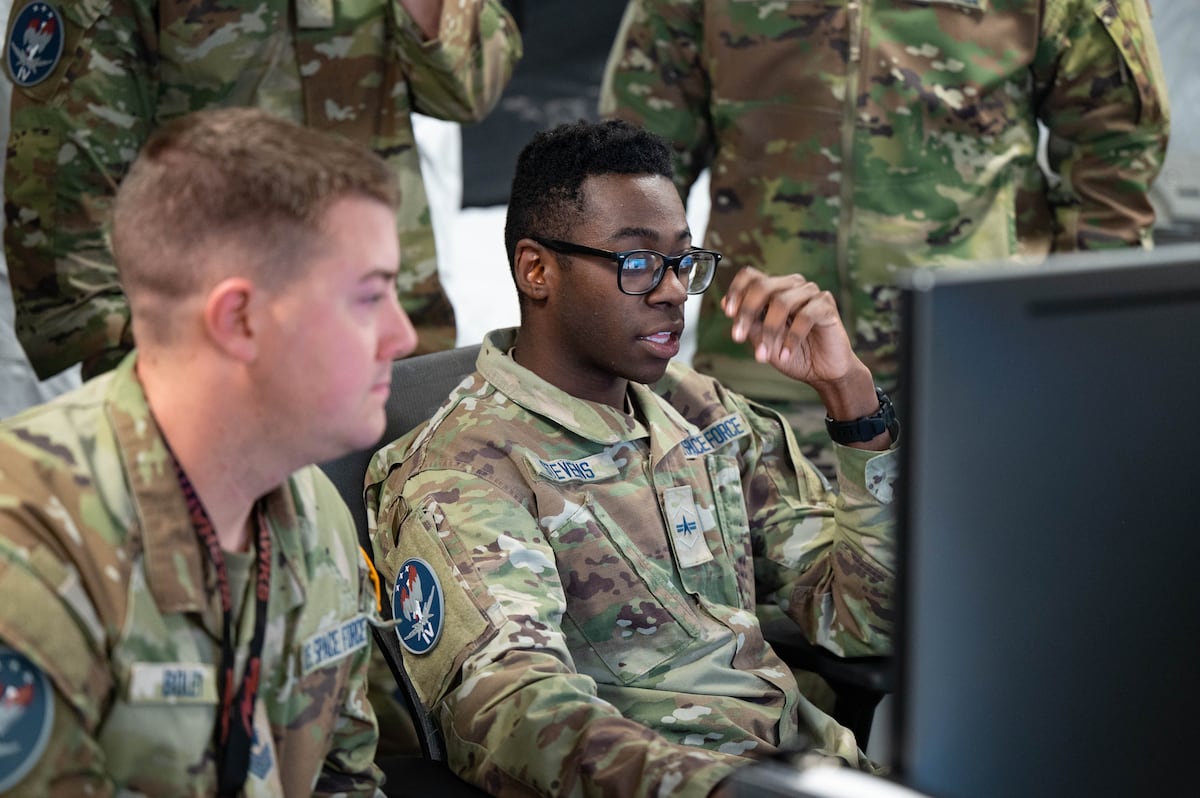
Katie Sutton, the assistant secretary of defense for cyber policy, emphasized the importance of specialized training to enhance operational effectiveness against complex cyber threats, including those accelerated by artificial intelligence.
Specialization in Cyber Operations
The foundation of Cybercom 2.0 relies on creating highly specialized teams, allowing for focused training and deep expertise in specific areas:
- Examples of Specialization:
- Defense of satellite and GPS communication systems.
- Protection of power grids and transportation networks.
- Development of secure access mechanisms for sensitive systems.
This refined focus not only enhances response capabilities but fosters operational excellence in cybersecurity engagements.
Leveraging Technology and Innovation
The integration of advanced technologies, particularly artificial intelligence (AI) and automation, is at the heart of Cybercom’s strategy. Lt. Gen. Hartman highlighted that while human oversight remains indispensable, AI will significantly streamline analysts’ processes by identifying the most critical information for defense operations.
- Innovative Approaches:
- Initiatives like Panoptic Junction, executed by the Army, are aimed at optimizing the detection of adversary techniques.
- Establishment of the Cyber Innovation Warfare Center promotes the rapid adoption of transformative technologies across the operational spectrum.
This center seeks to bridge the gap between technological advancements and practical implementation, facilitating collaboration between the military and industry to expedite the integration of groundbreaking capabilities.
Future Outlook
The implementation of Cybercom 2.0 is not merely about acquiring new software or hardware; it encompasses a comprehensive transformation of military doctrine, training, and operational tactics—ensuring the U.S. cyber force remains at the forefront of global defense. As the threat landscape evolves, continued investment in research, development, and personnel training will be crucial in safeguarding national interests against cyber adversaries.
This proactive stance reflects a commitment to resilience and security, reinforcing the critical role of cybersecurity in maintaining the integrity of the American way of life. The necessity for a robust, integrated cyber workforce has never been clearer, as the U.S. prepares to engage with ever-evolving threats in the cyber domain.
By focusing on specialized training, technological integration, and innovative strategies, the Pentagon aims to outpace adversaries and ensure the security of vital infrastructure in an increasingly complex global environment.