

Fiscal Year 2026 Defense Budget: Strategic Investments in Air and Naval Capabilities
The recent budget negotiations between the House and Senate have culminated in a significant decision regarding the fiscal year 2026 defense budget. This agreement not only restores funding for critical air and naval assets but also reflects a strategic pivot in the Pentagon’s priorities to enhance military capabilities.
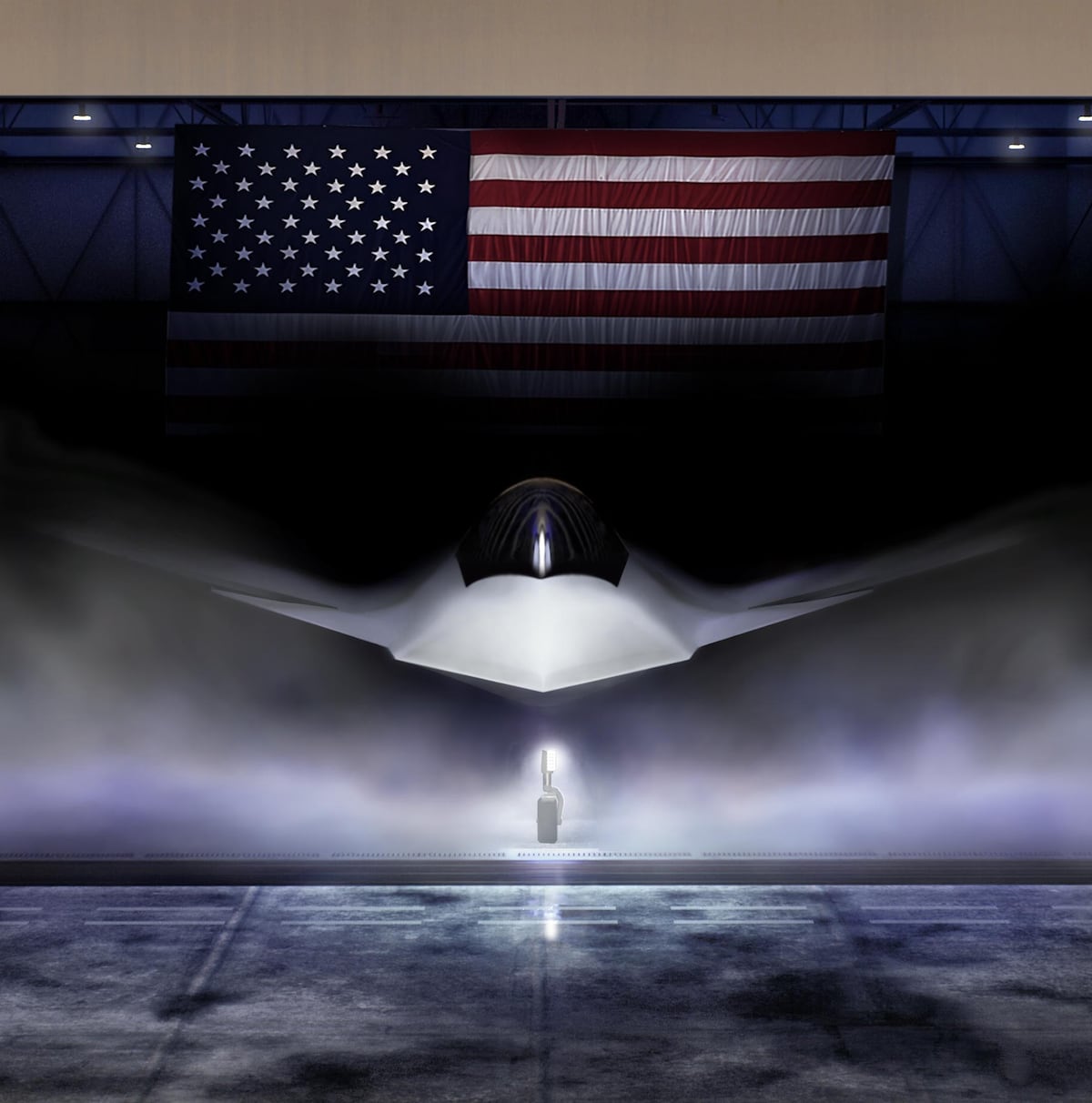
Enhancements in Airpower: F/A-XX and F-47 Programs
The compromise budget proposal allocates $839 billion for defense spending, with a noteworthy $3.9 billion earmarked for the development of sixth-generation aircraft. This investment includes:
- $3 billion dedicated to the Air Force’s F-47 fighter program, which is under construction by Boeing.
- $972 million for the Navy’s next-generation F/A-XX fighter.
These funding levels exceed initial Pentagon requests by hundreds of millions, indicating congressional support for advancing air superiority initiatives. The F-47, also classified as part of the Next Generation Air Dominance (NGAD) program, aims to replace the aging F-22 Raptor. It is designed to operate alongside collaborative combat aircraft—autonomous drones that extend operational capabilities—and boasts enhanced stealth characteristics and operational range.
Implications for the E-7 Wedgetail Program
In another significant development, the appropriations bill ensures that the Air Force will not cancel its E-7 Wedgetail airborne battle management initiative, despite Secretary of Defense Pete Hegseth expressing doubts about its future operational role. Young leaders view the E-7, which already serves allied nations such as Australia, as a crucial element in modern air combat. This budget iteration allocates $1.1 billion for the E-7, affirming its importance amidst shifting technological paradigms.
Adjustments in F-35 Procurement
Reflecting the Pentagon’s revised strategic focus, the 2026 budget outlines a reduction in F-35 Joint Strike Fighter procurements. The combined services sought 75 F-35s in 2025, but the current proposal plans for just 47 aircraft in the upcoming fiscal year, including 24 F-35As for the Air Force. However, the appropriated bill still provides $7.6 billion for the procurement of these assets, alongside an additional $440 million for spare parts.
This shift towards sustainability and capability upgrades, including the enhancement of Block 4 features—such as expanded ordnance capacity and improved electronic warfare capabilities—highlights the Pentagon’s commitment to modernizing existing fleets rather than merely expanding numbers. Nevertheless, significant delays and budget overruns in the F-35 program raise concerns about the effectiveness of these upgrades over the next five years.
Additional Investments in Strategic Systems
The defense bill also earmarks crucial funding for several key programs:
- $474 million for the EA-37B Compass Call, expanding its electronic warfare capabilities with the acquisition of two additional aircraft.
- $1.9 billion for the B-21 Raider, Northrop Grumman’s sixth-generation stealth bomber, poised to redefine airstrike operations.
Additionally, the Navy is set to receive $27.2 billion to construct 17 new ships, including vital assets like the Columbia-class ballistic missile submarine and Virginia-class fast attack submarines. The budget further highlights a $5.9 billion increase dedicated to these submarine classes, indicative of an overarching strategy to maintain underwater superiority.
Commitment to Strategic Deterrents
Furthermore, the bill fully funds the LGM-35A Sentinel intercontinental ballistic missile program, reinforcing America’s nuclear deterrent capabilities in a changing global landscape. This program’s viability reflects growing security concerns and the need for modernization amid evolving threats.
Conclusion: A Comprehensive Approach to Defense
The final version of the fiscal 2026 defense budget illustrates a balanced approach that aligns funding with strategic imperatives. By emphasizing next-generation air and maritime capabilities while addressing the sustainability of existing systems, the budget seeks to position the U.S. military to respond effectively to contemporary challenges. As military dynamics evolve, continued investment in advanced technology and systems will be crucial for maintaining the United States’ strategic edge.
This analysis underscores the importance of adaptive funding strategies in meeting current and future defense requirements. The appropriations decisions will not only shape military readiness but also signal commitment to international partnerships and technological advancements in defense operations.