Current State of the Ukrainian Defense: Challenges and Perspectives
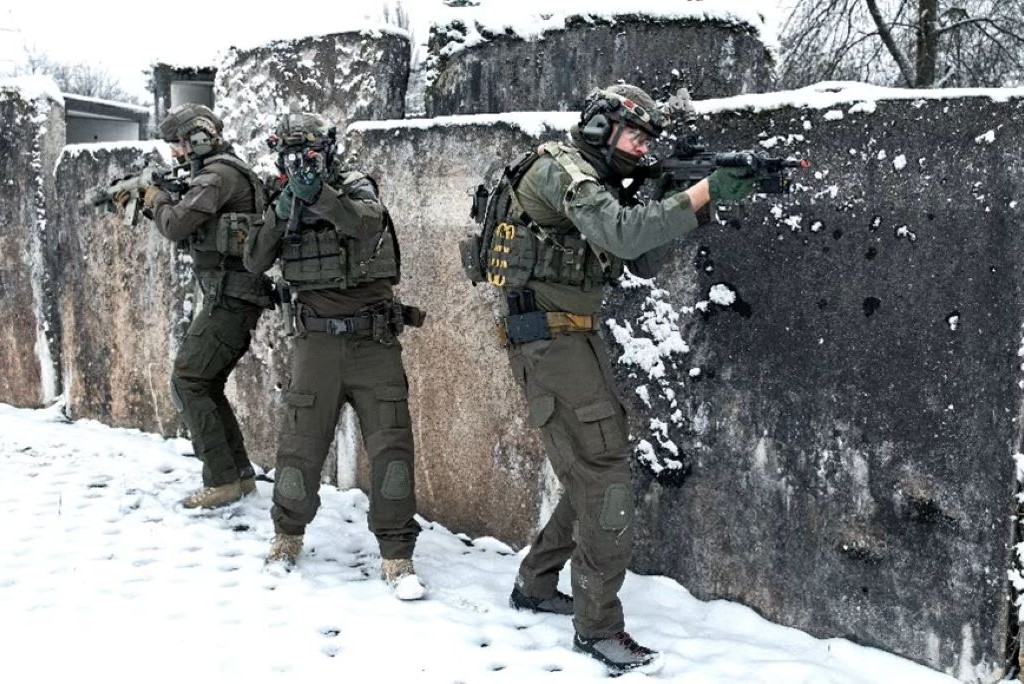
Ukrainian soldiers, enduring relentless Russian offensives in the ongoing conflict that has persisted for nearly four years, express that their resolve stems from a profound commitment to their homeland. Navigating through damp basements and muddy dugouts, these servicemen assert their belief that they are engaged in a consequential struggle for national sovereignty.
Distrust and the Need for Robust Defense
Despite ongoing negotiations aimed at a possible peace agreement, troops articulate their skepticism regarding Russia’s intentions. They perceive the Kremlin as steadfast in its objective to subjugate Ukraine, either through immediate military action or by reconstituting its forces in the coming years, regardless of the terms of any negotiated settlement.
Key points raised by the soldiers include:
- Military Readiness: Maintaining a formidable armed forces presence is deemed essential for safeguarding the extended 800-mile (approximately 1,300-kilometer) frontline.
- Security Needs: There exists a strong consensus that without significant security assurances—such as NATO membership for Ukraine—a resurgence of Russian aggression with upgraded personnel and equipment is highly plausible.
A 40-year-old artillery gunner, referred to as “Kelt” for operational security, articulated the sentiment, stating that the Armed Forces of Ukraine serve as the principal barrier between the Ukrainian populace and a hostile neighbor.
Concerns Over Future Peace Deals
From his sheltered position within a trench, Kelt foresees potential pitfalls of a ceasefire, suggesting that a temporary truce may merely serve to allow Russia to replenish its military capabilities. He posits, “This ceasefire will be brief, permitting Russia to rebuild its forces for another three to five years before they return.”
Serhii Filimonov, commander of the Da Vinci Wolves Battalion, echoed this apprehension, indicating that any peace agreement could unwittingly facilitate a resurgence of Russian aggression. He emphasized, “There will be no peace until Russia is decisively defeated or its leadership significantly altered.”
Strain on Ukrainian Military Resources
Filimonov recounted a recent encounter in Pokrovsk—a vital logistics hub in the Donetsk region—where Russian forces achieved brief inroads before being decisively repelled. While Ukrainian units maintain their defensive positions, challenges arise from nearby units composed of inexperienced recruits, undermining stability on the frontline.
- Manpower Limitations: Analyst Rob Lee highlighted that Ukraine’s lack of reserves is critical. A single Ukrainian brigade faltering could enable Russian advancements.
- Recruitment Issues: Despite attempts to mobilize up to 30,000 new personnel monthly, many either evade service or are deemed unfit for combat roles.
Holding Strategic Locations
Ukrainian forces continue to defend key positions such as Pokrovsk, Kupiansk, and Vovchansk in the Kharkiv region, areas that Russia has attempted to conquer for over a year. Yurii Fedorenko, commander of the Achilles UAV Brigade, noted that the Russian military’s repeated failures to seize these territories underscores the tenacity and dedication of Ukrainian troops.
Russian President Vladimir Putin has asserted that hostilities will not cease unless Ukraine withdraws from the territories of Donetsk, Luhansk, Zaporizhzhia, and Kherson—all of which Russia illegally annexed in 2022. Currently, Russian forces occupy only partial areas of these regions.
Implications of Proposed Peace Plans
It has been suggested that upcoming U.S.-Russia negotiations may demand limitations on Ukraine’s military presence and further withdrawals from Donetsk. While Ukrainian President Volodymyr Zelenskyy has acknowledged the need for a potentially revised peace plan, the specifics remain uncertain.
Lee, who frequently visits frontline areas, remarked that while Russian operations are intensifying in 2025, it is uncertain whether they will achieve complete control over Donetsk by the following year. The challenges faced arise from Russia’s multi-directional assaults, compelling Ukraine to prioritize defensive strategies effectively.
The Crucial Role of Western Support
Amidst these pervasive challenges, Kelt criticized proposals aimed at downsizing Ukraine’s military, arguing that such moves would only facilitate greater risk from Russia in the future. The sustainability of Ukraine’s current military force—comprising over one million personnel—hinges significantly on ongoing Western support.
Since the commencement of hostilities in 2022, Ukraine has directed nearly its entire tax revenue toward military expenditures, with essential health care, social services, education, and energy needs being financed by international assistance.
- Financial Outlook: The European Union has earmarked $50 billion in support for Ukraine from 2024 to 2027, yet estimates indicate that Ukraine will require $83.4 billion for military needs and an additional $52 billion for broader governmental expenses in 2026 and 2027.
- Strategic Financial Management: How Ukraine navigates its future fiscal obligations, particularly concerning any agreements on Russian frozen assets, will significantly influence its military maintenance and overall financial stability.
Understanding the multidimensional challenges facing Ukraine will be essential for defense professionals and policymakers as they consider both immediate support needs and long-term strategic goals in this evolving conflict landscape.