
U.S. Coast Guard Enhances Drug Interdiction Capabilities with Advanced Drone Technology
Record-Breaking Drug Seizures
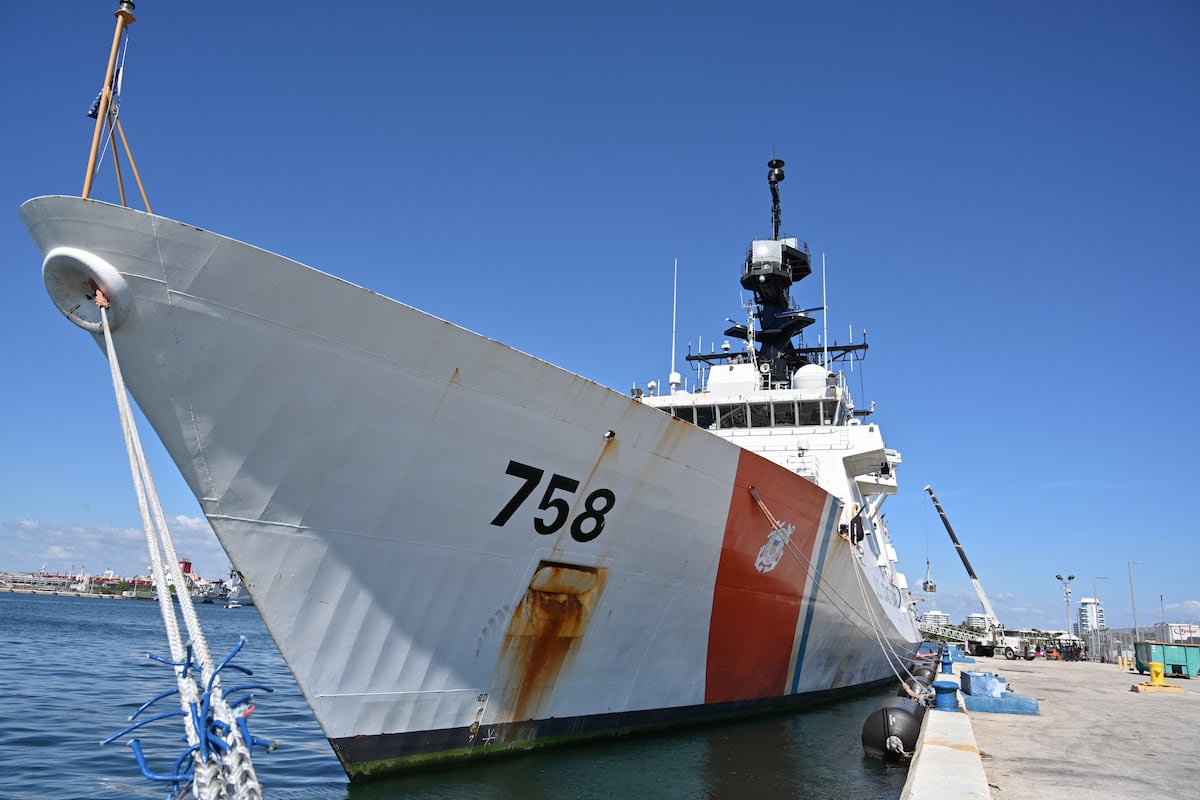
The U.S. Coast Guard has achieved a significant milestone in its mission to combat drug trafficking by announcing unprecedented drug seizures facilitated by the deployment of a cutting-edge unmanned aerial system. Recently, the Coast Guard Cutter Stone, a 418-foot national security vessel, successfully offloaded approximately 49,010 pounds of illicit narcotics at Port Everglades, Florida. This impressive haul, valued at $362 million, resulted from 15 separate intercepts, leveraging maritime drone technology to enhance operational capabilities.
The Role of the MQ-35 V-BAT Drone
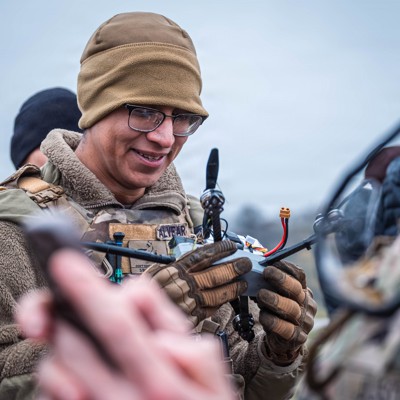
Integral to this success was the MQ-35 V-BAT, a versatile vertical take-off and landing drone developed by Shield AI. Its operational advantages include:
- Maneuverability: Capable of navigating challenging maritime environments.
- Wind Resilience: Functions efficiently in high-wind conditions.
- Stealth Capabilities: The drone’s low profile and high fuel efficiency render it suitable for covert operations.
- Electronic Warfare Resilience: Designed to withstand electronic warfare tactics, including GPS jamming.
Equipped with an AI-enhanced optical sensor, the V-BAT can conduct continuous surveillance for over 13 hours. Its operational simplicity allows a crew of just two personnel to assemble, launch, and manage the drone effectively.
Operations and Impact
The use of the V-BAT has significantly elevated the Coast Guard’s surveillance and interdiction capabilities. The drone’s deployment led to the detection of three suspicious vessels in a single night, showcasing its operational efficiency in real-time scenarios. Key highlights of the operations include:
- Targeting and Interdiction: Initial monitoring identified a suspicious vessel, prompting the dispatch of a Coast Guard helicopter for interception.
- Live Surveillance: Continuous live video feeds from the V-BAT allowed authorities to track and engage additional smuggling attempts.
- Comprehensive Arrests: The effective use of drone surveillance culminated in the apprehension of seven narcotics traffickers and the seizure of 12,000 pounds of cocaine from the three intercepted vessels.
Strategic Implications for Coast Guard Operations
The successful integration of unmanned aerial systems into the Coast Guard’s operational framework reflects a broader trend in military defense strategies: the increasing reliance on advanced technology for intelligence, surveillance, and reconnaissance (ISR). A Coast Guard spokesperson emphasized the necessity of these unmanned capabilities, stating they are vital for enhancing the Coast Guard’s ISR capacity across various operational contexts.
Benefits of Enhanced Technology Utilization:
- Improved Detection: The V-BAT can engage multiple targets with its prolonged flight time and active search capabilities.
- Operational Efficiency: Reduced manpower requirements free up personnel for other critical operational roles.
- Cost-Effectiveness: The operational flexibility of drones can lead to decreased mission costs and increased efficiency in resource allocation.
Conclusion
The Coast Guard’s recent accomplishments underscore a pivotal shift in maritime security operations, leveraging advanced technologies such as the MQ-35 V-BAT to enhance traditional methods of drug interdiction. By focusing on innovative solutions, the Coast Guard is not only improving its operational efficacy but also establishing a framework for future enhancements in national security efforts. This strategic approach highlights the importance of integrating sophisticated technologies in the enduring fight against drug trafficking and embarks on a path toward bolstering maritime safety and security.